Air conditioning rarely features in a buying decision until the first summer. By then the choice has been made, and retrofitting a better system into a...
Air conditioning rarely features in a buying decision until the first summer. By then the choice has been made, and retrofitting a better system into a finished apartment ranges from expensive to impractical. Explaining what is VRV air conditioning therefore belongs at the point of purchase rather than afterwards. This guide covers how the system works, how it differs from the split units most apartments carry, what fitting it at construction stage changes, and what an owner should know about running and maintaining one.
How the system works
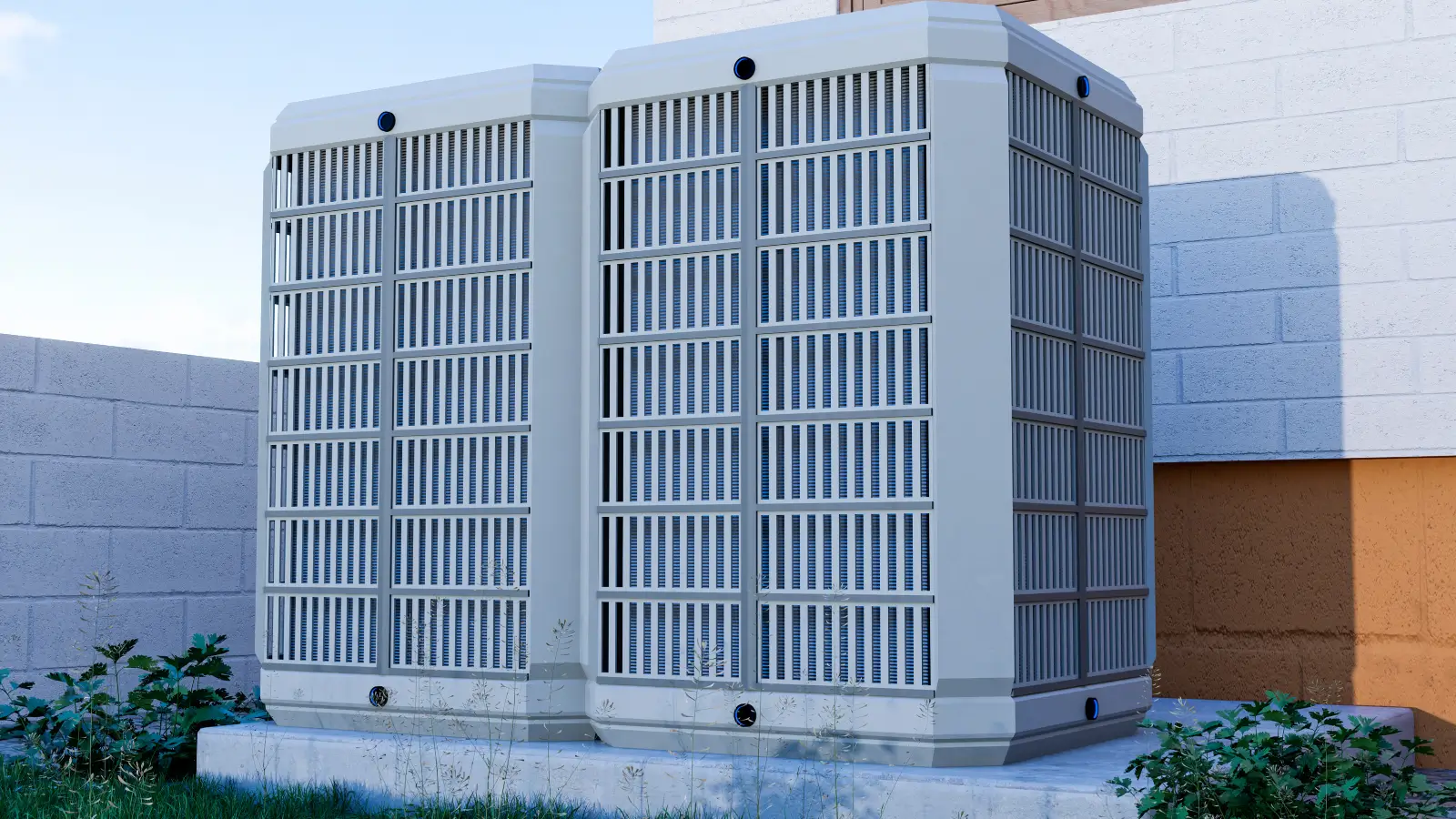
Variable refrigerant volume describes the principle. A single outdoor unit serves multiple indoor units, varying the flow of refrigerant to match what each room actually needs.
Conventional split systems pair one outdoor unit with one indoor unit, running at full capacity or not at all. Modulating output explains most of the difference in comfort.
Modulation is the key advantage. A system adjusting output continuously holds a steadier temperature than one cycling on and off.
Refrigerant piping runs through the building rather than around it, which is only possible when the system is planned alongside the structure.
Indoor units sit concealed or high on walls depending on the room, which keeps them clear of furniture and sightlines.
Zoning also suits households keeping different hours, since one person cooling a bedroom does not commit the whole home.
One outdoor unit serving several rooms also frees facade and balcony space that multiple condensers would otherwise occupy.
Aspect | VRV system | Conventional splits |
|---|---|---|
Outdoor units | One serving several rooms | One per indoor unit |
Output | Varies with demand | Largely on or off |
Facade | Fewer external units | Multiple units on walls and balconies |
Installation | Designed into the building | Fitted after handover |
Zoning | Room-by-room control | Room-by-room, separately installed |
At South Reserve | Fitted as standard in every home | Not applicable |
Why fitting it early matters
Fitted as standard versus retrofitted is the distinction that affects a buyer most. Refrigerant piping, drainage and outdoor unit placement all have to be planned with the building.
Retrofitting means surface conduits, drilled walls and units mounted wherever space allows, which is why so many apartment facades carry a patchwork of boxes.
At South Reserve, VRV air conditioning is fitted as standard in every apartment, so none of that improvisation is required after handover.
Retrofitted systems also tend to be sized room by room rather than for a whole home, which produces inconsistent comfort between spaces.
Single outdoor units also reduce noise around balconies, since fewer compressors run close to living space.
Refrigerant flow adjusts continuously, which avoids the temperature swings that split systems produce when cycling.
Outdoor unit placement is planned with the facade rather than improvised on balconies afterwards.
Comfort and zoning
Comfort and zoning improve with room-level control. Occupants can cool a bedroom overnight without running the living room, which suits how households actually use space.
Steadier temperatures also matter. Systems cycling between full output and nothing produce noticeable swings that a modulating system largely avoids.
Noise tends to be lower indoors as well, since the compressor sits outside and indoor units run at reduced output for much of the time.
Sleeping comfort improves noticeably with steady temperatures, since fewer swings mean fewer disturbances overnight.
Humidity control improves alongside temperature, which matters during monsoon months as much as in summer.
Even temperatures reduce the sensation of draught, which many people find more comfortable than a colder setting.
Steady output suits bedrooms particularly, where temperature swings interrupt sleep more than daytime comfort.
Appearance and the building
Fewer outdoor units on a facade keeps a building looking as it was designed. Balconies stay usable rather than housing machinery.
Ten-foot ceilings interact with this too. Indoor units and any concealed ducting sit higher, which keeps them out of the occupied zone.
Planned placement also means servicing access is considered at design stage rather than improvised later.
Balcony usability is the quiet benefit. Space not occupied by condenser units remains available for seating and planting.
Facade appearance affects resale too, as buildings covered in mismatched units look neglected regardless of maintenance.
Ten-foot ceilings also give indoor units room to sit above sightlines rather than dominating a wall.
Concealed installation also keeps living areas free of the trunking that retrofits require.
Maintenance and running
Maintenance and running deserve attention from any owner. Filters need periodic cleaning, and the system requires professional servicing at the intervals a manufacturer recommends.
Costs are not trivial, though they replace the separate servicing of several independent units. Budget for annual maintenance as part of ownership.
Electricity consumption depends on use rather than on the system alone. Zoning helps, since cooling fewer rooms costs less than cooling an entire apartment.
Service access planned at design stage also reduces disruption later, since technicians reach equipment without entering every apartment.
Annual servicing contracts are common for systems of this kind and worth budgeting from the first year of occupation.
Filter cleaning is a household task rather than a technician visit, and doing it regularly extends equipment life.
Servicing intervals depend on use, and a system running heavily needs attention more often than one used seasonally.
What to check at purchase
Confirm that the provision appears in the specification schedule attached to your agreement rather than only in a brochure.
Ask which areas are served, since systems sometimes cover living areas and bedrooms rather than every space in a home.
Warranty terms deserve a question too, including who handles servicing during the defect liability period and what happens afterwards.
Anyone still asking what is VRV air conditioning after a site visit should request the manufacturer details and a copy of the system layout.
Check which rooms are covered, since coverage occasionally differs between living areas and bedrooms.
Ask for the system specification in writing alongside the rest of the schedule.
Manufacturer documentation is worth requesting, since it sets out servicing requirements and expected life.
Warranty and servicing arrangements belong in the same conversation as the specification itself.
Karnataka RERA Registration No. PRM/KA/RERA/1251/309/PR/090926/008925. To check availability, current pricing or to arrange a site visit, get in touch with our team.
FAQs
What does VRV mean?
Variable refrigerant volume, describing a system that varies refrigerant flow to match demand from each room.How does it differ from split units?
One outdoor unit serves several rooms, and output modulates rather than cycling fully on and off.Is it included here?
Yes. VRV air conditioning is fitted as standard in every apartment.Why does fitting it early matter?
Piping, drainage and outdoor unit placement are designed into the building rather than improvised afterwards.Can I cool one room only?
Yes. Room-level control allows cooling only the spaces in use.Does it need servicing?
Filters require periodic cleaning and the system needs professional servicing at recommended intervals.Does it reduce electricity bills?
Consumption depends on use, though zoning means cooling fewer rooms costs less than cooling the whole home.What should I confirm?
That the provision appears in the specification schedule, which areas it serves and the warranty terms.
Related Articles

Embassy South Reserve Review: An Honest Assessment
Nobody lives here yet, and possession is set for 2032, so any Embassy South Reserve review has to work from documents rather than experience. That...

The Embassy South Reserve Booking Process, Step by Step
Buying a home is a sequence of decisions rather than a single one, and knowing the order keeps control where it belongs. Expression-of-interest holders...

Embassy South Reserve Cost Sheet: Every Line Explained
Rs 1.92 Cr buys a 2 BHK here, or so the headline says. What leaves your account is another figure entirely, and the gap between the two runs to lakhs...

Checking the Embassy South Reserve RERA Registration
A registration number on a brochure proves very little by itself. Behind it sits a filing on a public portal, and that filing is what actually protects...